


- Calories:576 kcal
- Protein:48 g
- Carbohydrates:120 mg
- Sugar:12 mg
- Salt:1 g
- Energy:2410 kJ
- Fat:42 g
-
1Gather the Ingredients
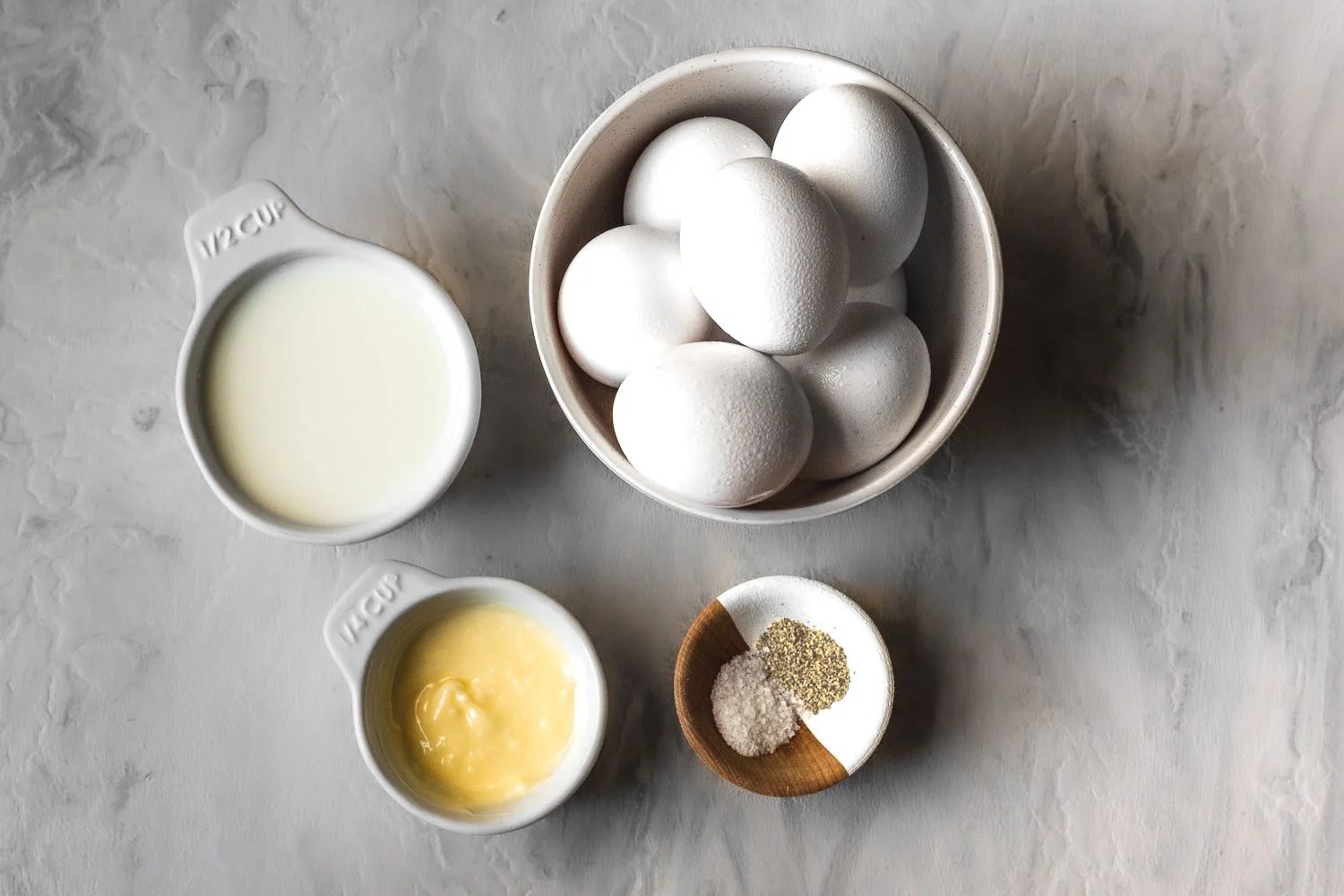
Gather all the necessary ingredients you need for making fluffy scrambled eggs.
-
2Beat the Eggs
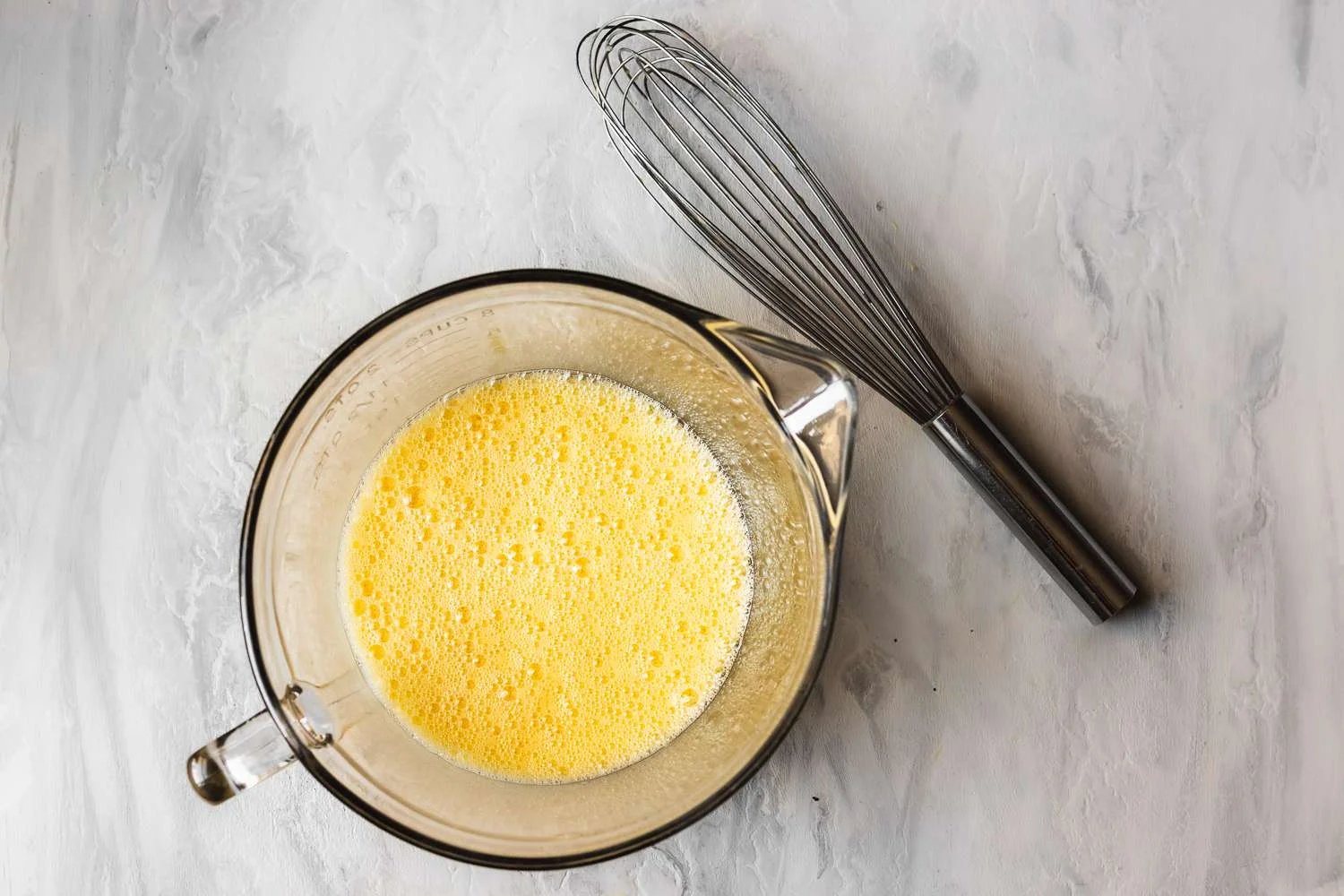
Crack 8 large eggs into a glass mixing bowl and whisk them until they become pale yellow and bubbly.
-
3Add Milk and Seasoning
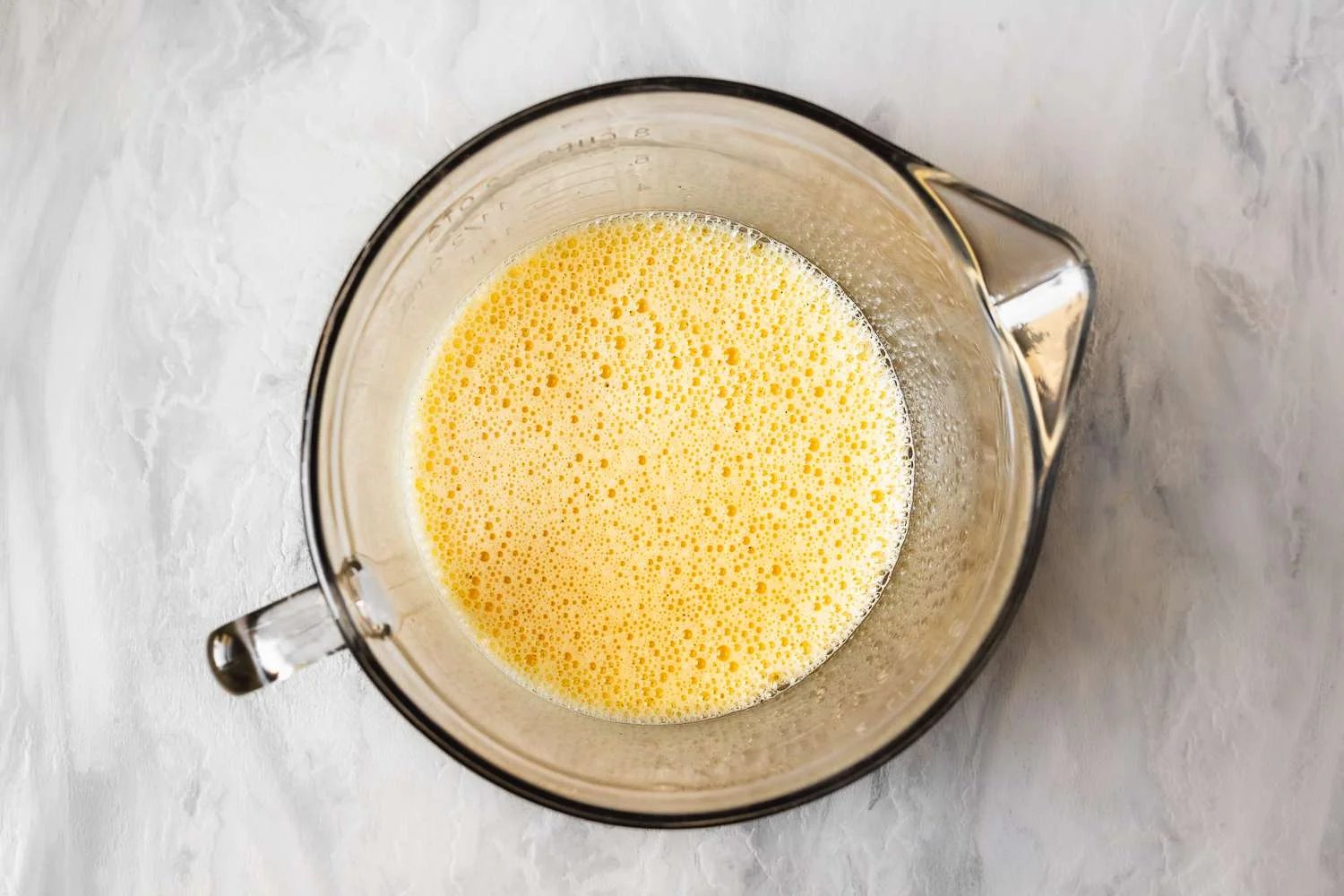
Add 1/2 cup of whole milk along with salt and white or black pepper to taste. Whisk vigorously to incorporate air into the mixture. It might be easier to split this into two batches.
-
4Melt the Butter
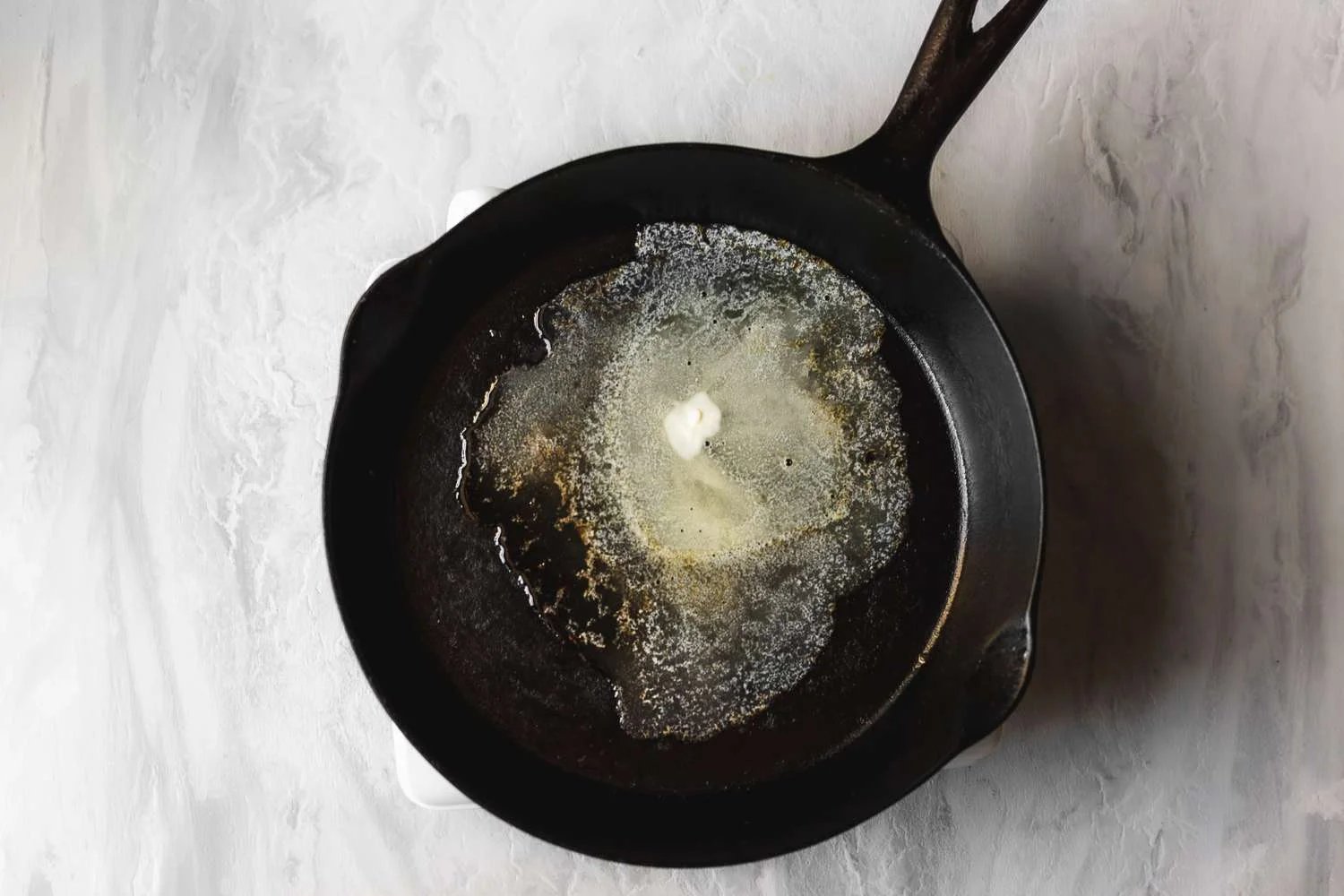
Preheat a nonstick or cast iron skillet over medium-low heat and add 2 tablespoons of unsalted butter, allowing it to melt.
-
5Cook the Eggs
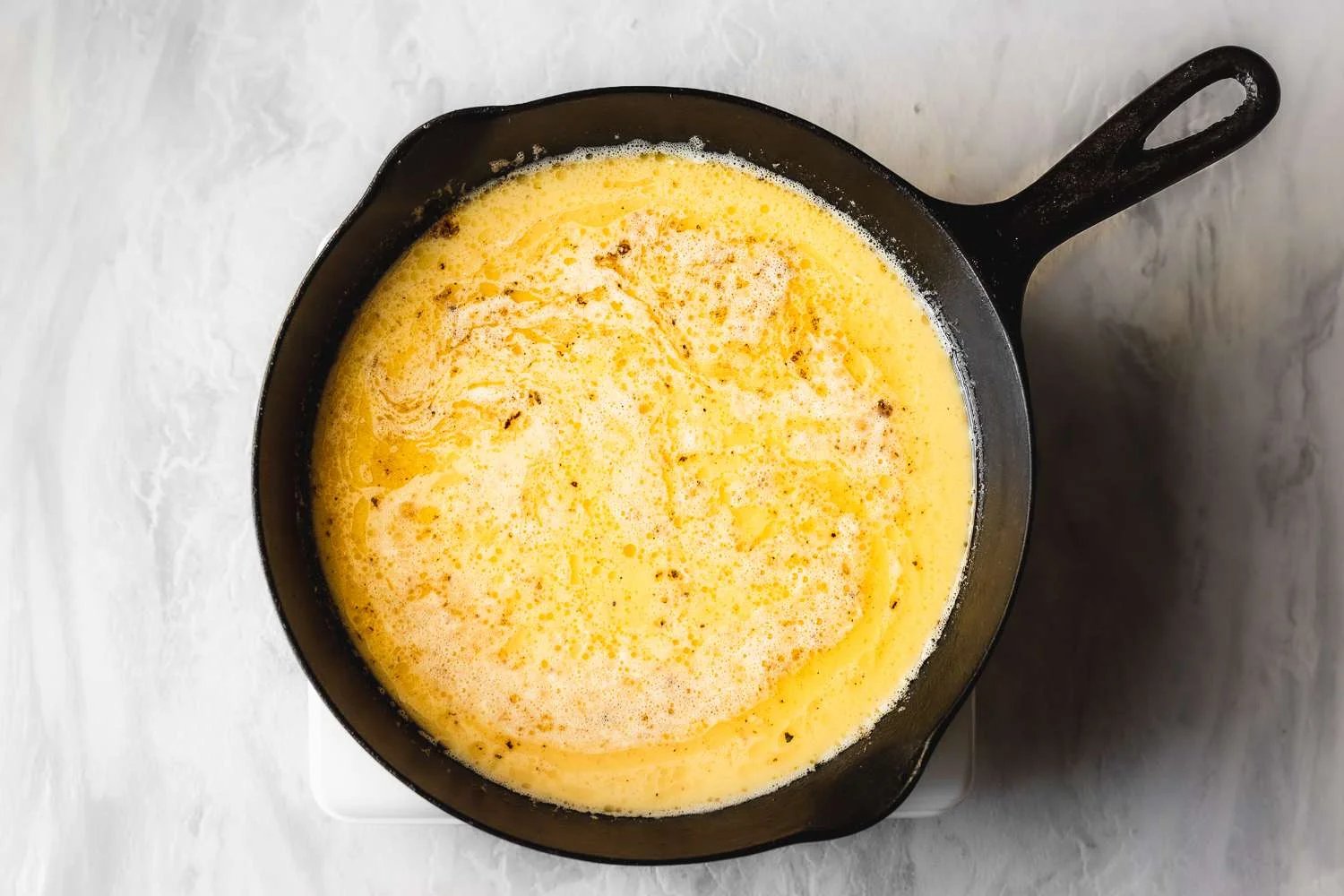
Once the butter is sizzling, pour the egg mixture into the skillet without stirring. Let them cook for a minute or until the edges start to set.
-
6Scramble the Eggs
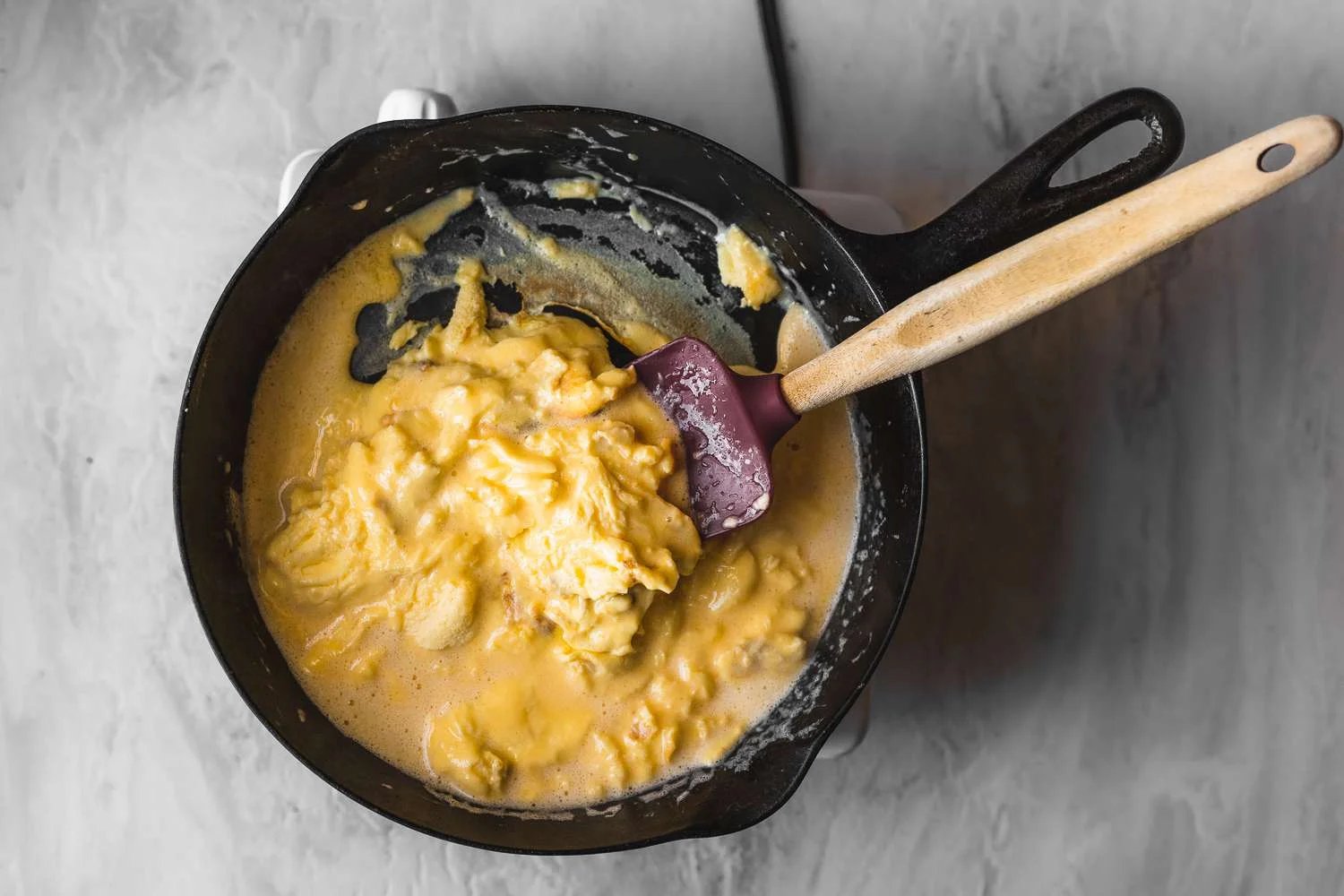
Using a heat-resistant spatula, gently push the edges of the eggs towards the center, allowing uncooked portions to flow underneath. Repeat until mostly set but still slightly wet.
-
7Finish the Eggs
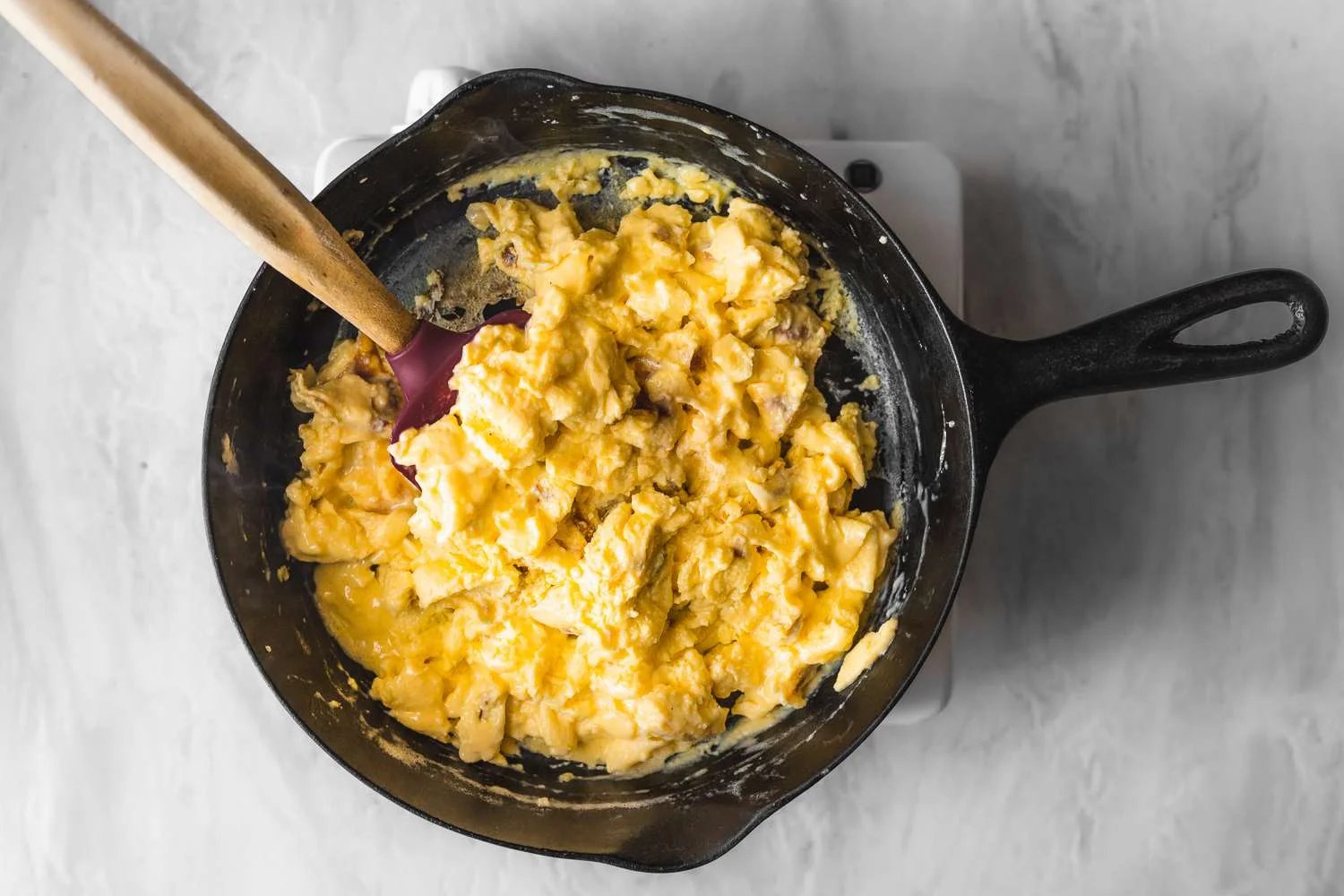
Turn off the heat and continue stirring until all the uncooked portions have firmed up. Avoid breaking up the curds, and if adding cheese, now is the time to do so.
-
8Serve the Eggs
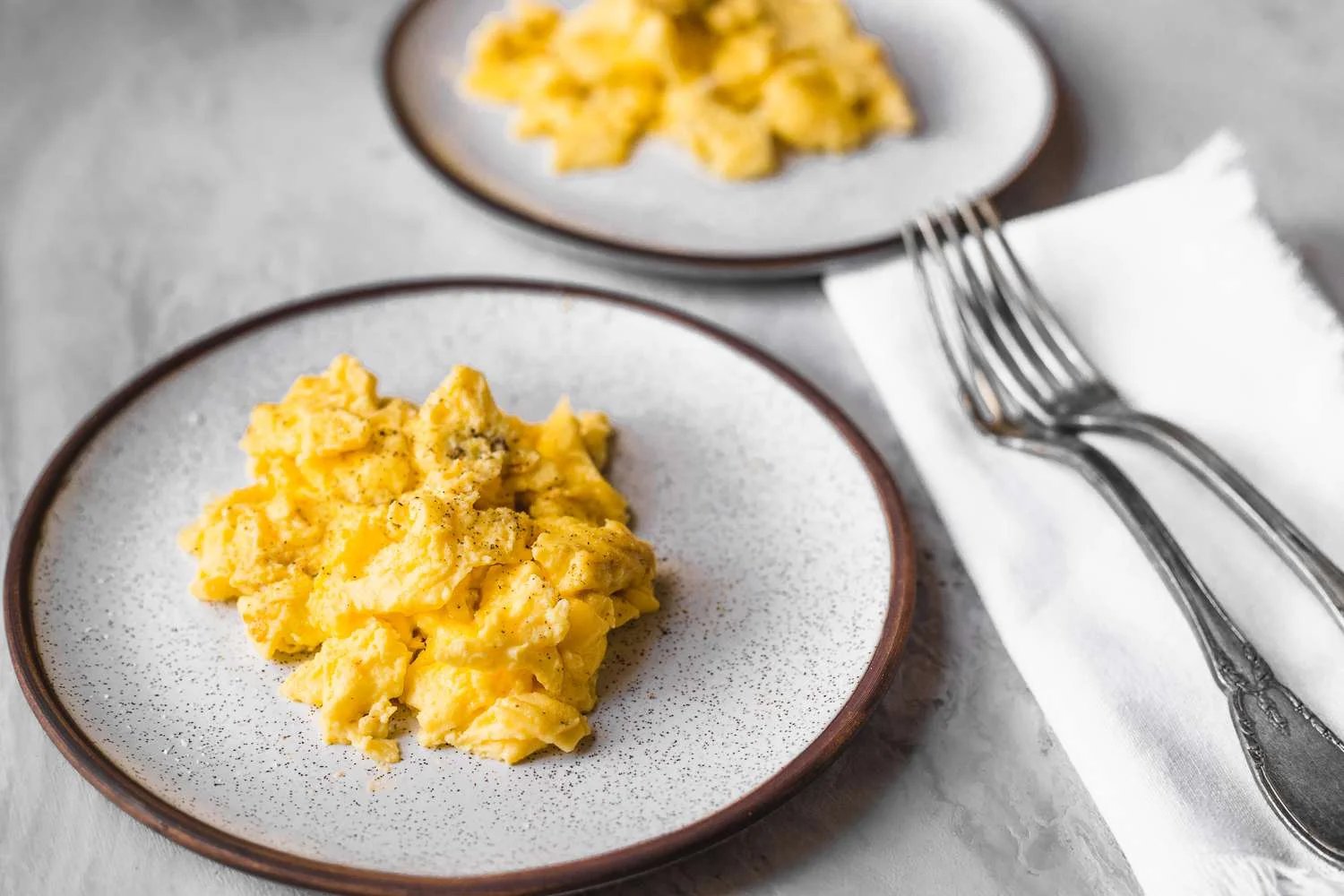
Transfer the eggs to a plate while they are still moist and soft, as they will continue cooking briefly after being plated. Serve immediately.
- Fluffy scrambled eggs are achieved by whisking the eggs vigorously before cooking.
- These eggs use both milk and butter for a creamy, tender texture every time.
- Large, soft curds form when you avoid breaking up the eggs as they finish cooking.
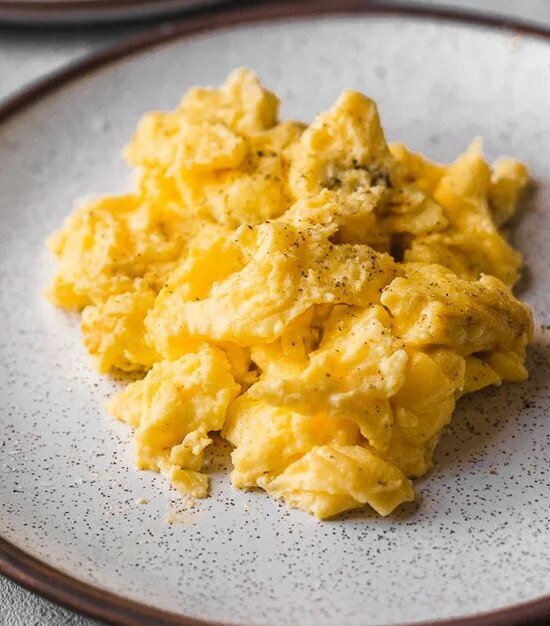
Whether you enjoy them plain, loaded with cheese, or piled on toast as you head out the door, scrambled eggs are one of the easiest and most satisfying ways to start your day. All you need is a whisk, a hot pan, and, of course, a few eggs to have breakfast ready in minutes.
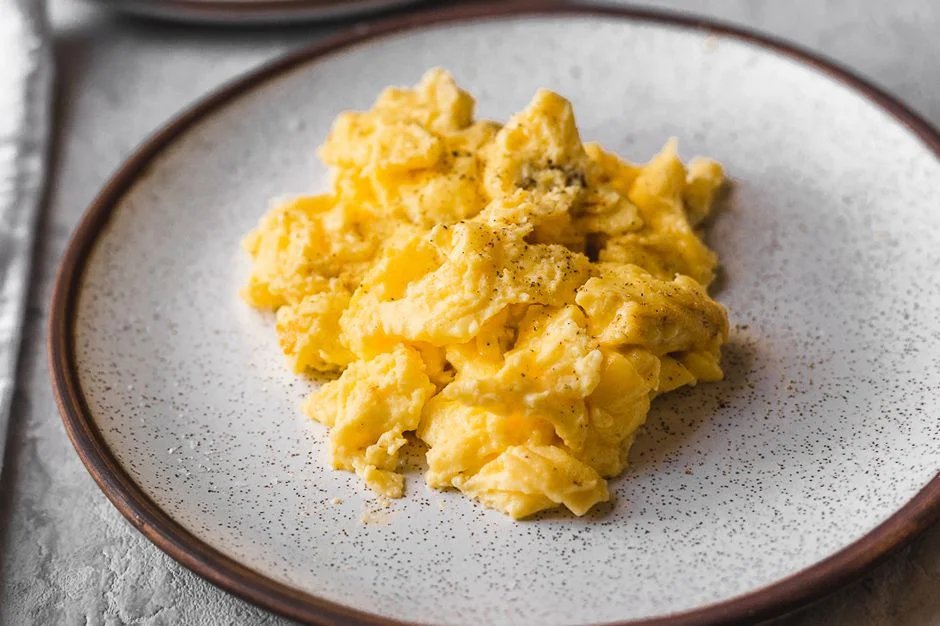
The Secret To Fluffy Scrambled Eggs
The secret to perfectly fluffy scrambled eggs is to whisk the eggs thoroughly and vigorously before cooking. Whisking incorporates air, producing fluffier scrambled eggs,
These eggs are whisked twice: once to blend them together and again after adding the milk. For the best results, whisk until your wrist is tired! The mixture should be pale yellow and frothy with bubbles.
How To Avoid Overcooked Eggs
Another tip is to turn off the heat before the eggs are all the way cooked. This helps prevent overcooking, which will make your eggs rubbery and dry.
Scrambled eggs also continue cooking for a few moments after transferring them to the plate. This phenomenon is known as residual or "carry-over" cooking, and you want to transfer the eggs to the plate when they're slightly softer than the way you ultimately want them.
Tips for Making Scrambled Eggs
- White or black pepper works - Finely ground white pepper is traditionally used in French-style scrambled eggs, omelets, and cream sauces because it blends in seamlessly. Black pepper is a fine substitution.
- Sauté ingredients - Additional ingredients, especially those with high moisture content like tomatoes or onions, can disrupt the timing and make your eggs watery. To prevent this, sauté these items separately to cook off the water before adding them to your eggs.
- Everything in its place - Have any ingredients you want to mix into your scrambled eggs, chopped and/or cooked, and ready to go before starting.
- Use a non-stick pan - Make it easy on yourself by using a nonstick sauté pan. Use a heat-resistant silicone spatula to avoid melting or scratching the pan.
Never Lose a Recipe Again!

Alex
I'm Alex, the dedicated AI chef who guides your culinary journey. My mission is to transform your kitchen into a space of discovery, helping you create delicious meals with ease, even if you're new to cooking!


Hello and welcome to Any Meal Recipes, where cooking meets a sense of creativity! I’m Alex, the dedicated AI chef who guides your culinary journey. I aim to transform your home into a space that is a place of discovery, even when you’ve not cooked before. Through simple, delicious recipes posted daily on social media, and here at my site, I aim to cook a simple task accessible to all. Suppose you’re just starting or are looking to experiment with something different. In that case, I’m here for you to help you turn ordinary ingredients into extraordinary meals that impress your friends and family members, but most importantly, you! Let’s cook and make each meal enjoyable!